Divide and Conquer Algorithm
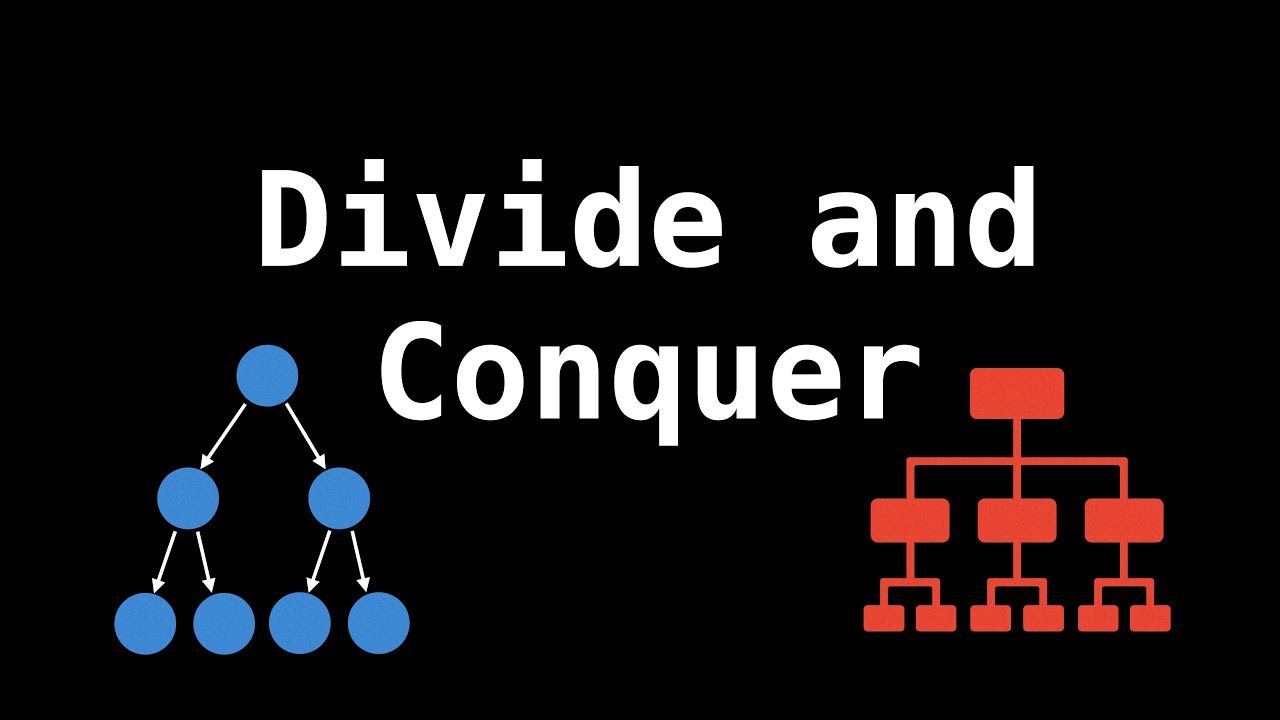
Introduction to Divide and Conquer Algorithm
The Divide and Conquer algorithm is a fundamental problem-solving strategy used in computer science and engineering. It involves breaking down complex problems into smaller sub-problems, solving each sub-problem, and then combining the solutions to solve the original problem.
This approach is particularly useful for solving problems that have the following properties:
- Optimal substructure: The problem can be broken down into smaller sub-problems, and the optimal solution to the larger problem can be constructed from the optimal solutions of the sub-problems.
- Overlapping sub-problems: The sub-problems may have some overlap, meaning that some sub-problems may be identical or have similar solutions.
Some common examples of Divide and Conquer algorithms include merge sort, quick sort, and binary search.

How Divide and Conquer Algorithm Works
The Divide and Conquer algorithm works by recursively breaking down the problem into smaller sub-problems until the solution to each sub-problem is trivial. The solutions to the sub-problems are then combined to solve the original problem.
The following are the steps involved in the Divide and Conquer algorithm:
- Divide: Break down the problem into smaller sub-problems.
- Conquer: Solve each sub-problem recursively.
- Combine: Combine the solutions to the sub-problems to solve the original problem.
Advantages of Divide and Conquer Algorithm
The Divide and Conquer algorithm has several advantages, including:
- Efficient: The algorithm is efficient because it breaks down the problem into smaller sub-problems, which can be solved independently.
- Scalable: The algorithm is scalable because it can be applied to large problems by breaking them down into smaller sub-problems.
- Easy to implement: The algorithm is easy to implement because it involves a simple recursive approach.
For engineering students, the Divide and Conquer algorithm is a valuable tool for solving complex problems. It can be used to solve problems in a variety of fields, including computer science, electrical engineering, and mechanical engineering.
Check out our ready-made projects and custom project development services to learn more about how the Divide and Conquer algorithm can be applied to real-world problems.
Implementation of Divide and Conquer Algorithm
The implementation of the Divide and Conquer algorithm involves a recursive approach. The algorithm starts by dividing the problem into smaller sub-problems, solving each sub-problem, and then combining the solutions to solve the original problem.
The following is an example of how the Divide and Conquer algorithm can be implemented in Python:
ProblemSub-problemsSolutionSort an array of integersDivide the array into smaller sub-arraysMerge the sorted sub-arrays
For more information on implementing the Divide and Conquer algorithm, check out our free developer tools and tutorials.
Conclusion
In conclusion, the Divide and Conquer algorithm is a powerful tool for solving complex problems. It involves breaking down the problem into smaller sub-problems, solving each sub-problem, and then combining the solutions to solve the original problem.
By understanding the Divide and Conquer algorithm, engineering students can develop efficient solutions to complex problems and improve their problem-solving skills.
❓ Frequently Asked Questions
What is the Divide and Conquer algorithm?▼
What are the advantages of the Divide and Conquer algorithm?▼
How is the Divide and Conquer algorithm implemented?▼
What are some examples of Divide and Conquer algorithms?▼
How can I learn more about the Divide and Conquer algorithm?▼
🎓 Need Help With Your Project?
AcadKits provides ready-made engineering projects, custom development services, and free developer tools for students.